The Ward Has a Frequency: How West London Hospital Radio Still Makes Rounds
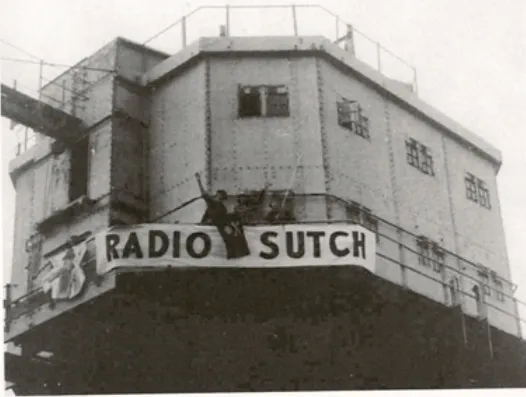
Photo: Colin Dale, CC BY-SA 3.0, via Wikimedia Commons
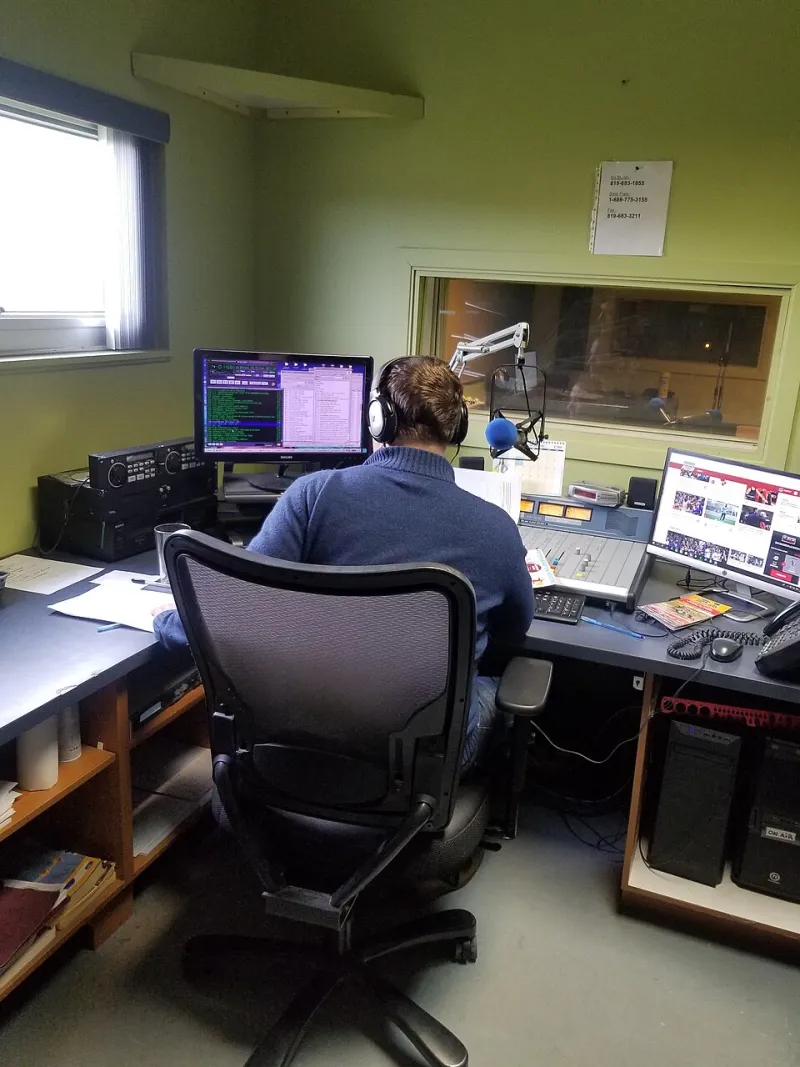
On a wet Tuesday in November 2026, a small studio somewhere between a West London hospital car park and the discharge lounge is preparing for its afternoon request show. The desk is cluttered with headphones, a mug that says World's Okayest Broadcaster and a shoebox full of request slips. One reads: 'For Mrs P in Bay 4. She likes Nat King Cole and would love a mention for her granddaughter.' Another says: 'Can you play something for the bloke in Bed 12? He's had a rough week and he's not allowed to say why.'
This is hospital radio. Not community FM, not a podcast, not a streaming playlist. It is a closed-circuit signal that travels a few hundred metres and stops at the ward doors, and it has been quietly doing its thing in West London for decades. In 2026, when most radio is fighting for reach, hospital radio is happy to be small.
A signal that stops at the ward
The first thing to understand is that hospital radio is not trying to be the next big thing. It does not chase ratings. It does not have an ad break. It does not care whether you listen on a bedside handset, a phone speaker or a smart speaker someone has smuggled into a side room. Its audience is a ward list, not a demographic.
That makes it different from the community stations dotted across West London, the ones broadcasting from high streets and community centres. Those stations serve a borough or a postcode. Hospital radio serves a building. It is hyperlocal at its most literal: a request show for people who cannot leave their beds, delivered by volunteers who know the layout of the corridors better than some of the staff.
You hear it in the way the presenters talk. There is no 'coming up next' in the usual sense. There is no urgent push to follow the socials. There is a gentle, practical rhythm: read a request, play a song, mention the weather, remind people about the tea trolley, read another request. It sounds like a conversation with someone who has popped in for a chat, not a broadcast to thousands.
The request slip is the schedule
Hospital radio playlists are built around patients rather than ratings, and the request slip is the engine. Volunteers collect them from wards, take calls from bedside phones, and sometimes just stop by for a natter. A slip might ask for Elvis, a hymn, a bit of Stormzy or a song someone heard at their wedding in 1974. The point is not the genre. The point is the person.
'You have to read the room,' says one volunteer at a West London hospital station, who has been doing the Wednesday afternoon slot for six years. 'If someone asks for a song because their wife loved it, you don't just play it and move on. You say her name if they want you to. You give it a bit of space. You don't rush the link.'
That is the quiet craft of it. The best hospital radio hosts are not trying to be funny or clever. They are trying to be useful. They remember who likes swing and who likes soul. They know that a birthday mention can matter more than a chart hit. They understand that a request show is not a playlist; it is a series of small, specific gifts.
There is also a practical side. Hospital radio volunteers are trained to be careful. They do not speculate about conditions. They do not read out anything that could identify a patient without permission. They work with the hospital, not around it. The warmth is real, but it is warmth with boundaries.
Bedside chats and the art of the gentle link
Some of the most important work happens off-air. Volunteers visit wards with request forms, stop for a chat, or ring a bedside phone to check whether someone still wants the song they asked for. These conversations are not broadcast. They are the reason the broadcast works.
A presenter might spend ten minutes talking to a patient about their grandson's football team, then go back to the studio and find a way to mention it between two songs. It is not scripted. It is not slick. It is the opposite of slick. It is radio that knows your name because someone wrote it down.
That is why hospital radio feels different from community FM. Community radio is a public voice; hospital radio is a private one. It is a service, not a stage. The volunteers are not there to build a following. They are there to make a ward feel less like a ward for an hour.
What it says about local radio in 2026
In a year when local radio keeps being told to scale up, monetise or merge, hospital radio is a reminder that radio can be small and still matter. It is not immune to the pressures. Volunteers are ageing. Bedside units change. Some services have moved online as well as on air. But the core offer has not changed: a request, a song, a voice that sounds like it is in the room.
For anyone who loves the rough edges of West London's airwaves, hospital radio is the purest version of the idea. It is not polished. It is not trying to go viral. It is a closed circuit with an open heart, run by people who turn up on wet Tuesdays and read out names from a shoebox.
And in 2026, that might be the most local radio thing of all.