Three Minutes of Real Life: West London's Travel Slot Still Beats the App

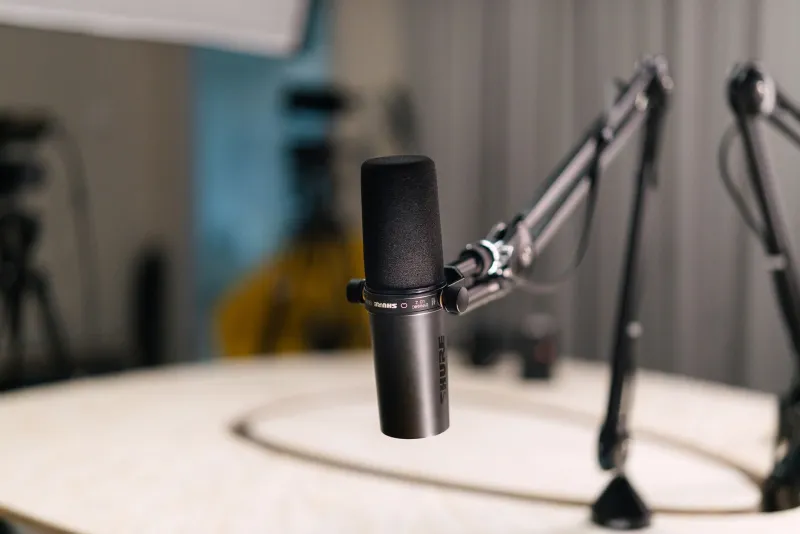
At 7.52 on a grey November morning in 2026, a volunteer presenter leans into a microphone in a small studio somewhere off the Uxbridge Road and begins the most ordinary three minutes on radio. There is a problem on the A40 westbound. The Hanger Lane gyratory is slow. A delivery van has stopped near Park Royal, and a listener has texted in about temporary lights in Hanwell.
It is not headline news. It is better than that. It is a live portrait of a place.
The bulletin as a daily serial
Travel bulletins look like filler because they are designed to be useful. They repeat. They use the same roads. They arrive at the same time. But repetition is what makes them a serial. The A40 is the setting. The commute is the plot. A stalled van near Gypsy Corner is the week's cliffhanger. Regular listeners learn the characters: the school run that always misjudges the Ealing Broadway junction, the delivery driver who treats the Chiswick roundabout like a personal challenge, the unexplained queue that vanishes by the time you get there.
The 7.52 slot on community radio does not pretend to be cinema. It is something more modest and more valuable: a daily chapter in how West London is moving, or not moving, right now.
Reading the road like a script
The craft is in the selection. A presenter cannot read out every camera feed or every listener text. They have to choose. They have to turn a list of delays into a route through the morning.
Dee, who has presented a midweek breakfast show on a West London community station for several years, says the travel slot is the part of the programme that keeps her honest. 'You can talk about anything you like, but the roads bring you back to the actual day,' she says. 'If the A40 is blocked, nobody wants a clever link. They want to know whether to turn off at Savoy Circus.'
That is the first rule: be useful before being interesting. The second rule is that useful can be interesting. A good bulletin has rhythm. It starts with the big picture, narrows to the roads that matter, and ends with a small, human detail. It might be a burst pipe in Brentford, a broken-down bus on the Uxbridge Road, or a cyclist's report of a new pothole near Osterley. None of it is glamorous. All of it is local knowledge.
Marcus, a volunteer who reads travel on a Sunday morning arts show, describes the job as 'translating the map into a voice'. He checks the travel apps, the council feeds and the station's WhatsApp group before going on air. He also trusts the thing apps cannot supply: the listener who rings to say the North Circular is fine but the back streets near Park Royal are gridlocked because of a delivery van unloading outside a warehouse.
'An app tells you there is congestion,' he says. 'A listener tells you why. That why is the story.'
Why ears beat algorithms
Phone apps are excellent at what they do. They know where the red lines are. They can reroute you faster than any presenter can speak. But they cannot tell you that the Hanger Lane gyratory feels worse than the map suggests because three lanes are merging badly, or that the roadworks near Ealing Common are being ignored by everyone who knows the shortcut past the station.
The travel bulletin is trusted because it is accountable. If the presenter gets it wrong, listeners ring in. If the presenter gets it right, they ring in anyway, usually to add something. The slot is a conversation with a microphone in the middle. That is different from a dashboard algorithm. It is also different from a national traffic report, which can tell you about the M25 but not about the school gate on a residential street in Hanwell.
For listeners who love hyperlocal culture, this matters. The travel bulletin is one of the few places on the dial where West London narrates itself in real time. It is not a brand talking about 'the community'. It is a neighbour saying: avoid the A40, the 207 is crawling, and the café on the corner is still open if you need to wait it out.
The last live map of West London
There is a temptation to treat the travel slot as the least creative part of community radio. The opposite is true. It is the most live, the most local and the most quickly forgotten. Nobody archives a traffic report. But listen closely and you hear the area's habits, its bottlenecks, its small comedies and its weather. You hear the difference between a Friday afternoon and a Monday morning. You hear which roads people love and which ones they simply endure.
At 7.52, the presenter clears their throat, checks the screen and says the A40 is slow westbound. A delivery van has stopped near Park Royal. The Hanger Lane gyratory is busy. Then they add the detail that no app would bother with: 'If you're heading to Southall, give yourself an extra ten minutes, and put the kettle on before you leave.'
That is not just travel news. It is West London, telling itself how to get through the day.