Read Out, Not Sold Out: The Radio Noticeboard Keeping West London Connected
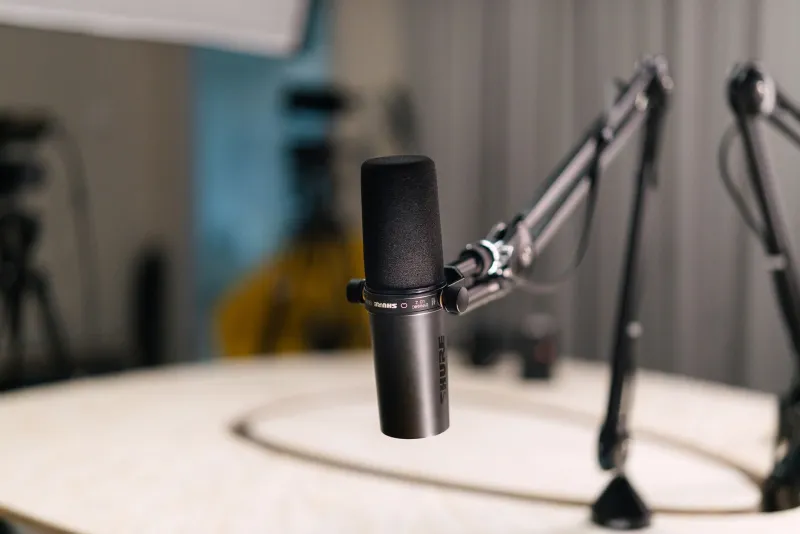
On a grey Saturday in November, the clock above the studio door in Acton says 10:17. The host, Marcia, has a coffee going cold beside the desk and a stack of messages printed in large type. She leans into the mic, presses a button and says: 'Right, West London. Let's find some things new homes.'
This is the classifieds hour — not the slick, sponsored kind, but the sort that still runs on community radio stations across Ealing, Brentford, Southall and Shepherd's Bush. For twenty minutes, the airwaves turn into a noticeboard. A second-hand bass amp in Hanwell. A room going in a flat share near Boston Manor. A grey cat called Pebble, last seen by the canal. A drummer wanted for a pub covers band, no auditions, just bring sticks.
It sounds old-fashioned. It is old-fashioned. That is precisely the point.
The read-out at 10:17
Marcia works through the listings in the order they arrived. There is no algorithm here, no sponsored placement, no 'people also viewed' rail. Just a voice, a phone number and a postcode district. 'Ealing Broadway,' she says. 'One sofa, mustard, free to a good home. You'll need a van.' Then: 'Southall. Keyboard wanted for a wedding band. Must be able to play in the key of C without complaining.'
The studio phone lights up before she has finished the next item. A volunteer in the corner takes the call, writes the details on a pad and passes it over. Marcia reads it out live. The whole loop takes less than a minute.
What strikes you, sitting in the room, is how specific it all is. A generic marketplace listing might say 'drum kit, good condition, buyer collects'. On the radio, it becomes: 'Drum kit in Northfields. It belonged to a man who moved to Bristol. His neighbour is minding it. She says it is loud but loved.' That is not just a product description. It is a small piece of local context — the kind of thing you cannot fake at scale.
One listing, one handover
To understand why this still works, follow one listing. In early October, a listener called Nadia rang the station from her flat in Hanwell. Her teenage son had outgrown his practice amp. She did not want to deal with haggling strangers online. She wanted it to go to someone who would actually use it.
The station read the listing out on a Saturday morning. By Monday, a man called Theo had phoned in. He lives two streets away. He had been looking for a small amp for his daughter, who has just started gigging with a band from school. They arranged to meet outside the bakery on the Uxbridge Road. Theo brought cash. Nadia brought the amp. The handover took four minutes.
'It felt like borrowing a ladder from a neighbour,' Nadia told me later. 'Except I did not know the neighbour yet.'
That is the quiet magic of the radio classifieds. They do not just move objects. They create a low-stakes reason for people in the same area to trust each other. The station is the mutual friend. The voice on the air is the introduction.
Why a voice beats an algorithm
None of this is to say that Facebook Marketplace or Nextdoor are useless. They are fast, searchable and enormous. But size is not the same as trust. On a community station, the listing is read by someone who knows the patch. The station's volunteers recognise the streets, the schools, the bus routes and the quirks of local geography. When Marcia says 'near the library', you know which library. When she says 'off the Broadway', you know which Broadway.
There is also the question of attention. A radio listing is not designed to keep you scrolling. It is designed to be heard once, acted on quickly and then forgotten. That is a rare thing in 2026. The noticeboard frequency does not harvest your data or nudge you towards a purchase. It just says: here is a thing, here is a person, here is a phone number. Do with it what you like.
And because it is live, it has a pleasingly human margin for error. Marcia misreads a postcode. A caller corrects her. Someone in the studio laughs. The listing gets read again, properly. It is not polished, but it is accountable.
The rules of the board
Most stations keep the classifieds simple. Listings are free. Items should be local. Pets should be described honestly. Band ads should say what kind of music you actually play, not what you wish you played. There is usually a time limit — a couple of weeks on air, maybe a mention online — so the board does not clog up with stale sofas and sold amps.
The listings also reveal what West London is actually like, rather than what a property advert says it is like. Flat shares in converted terraces. Rehearsal rooms above pubs. Church halls with pianos going spare. Children's bikes in Brentford. A accordion in Acton that nobody can quite explain. The board is a rolling census of local life, told in thirty-second bursts.
Tuning in
If you want to hear it for yourself, look up your nearest Ofcom-licensed community station and check its schedule for a classifieds or noticeboard slot. They tend to sit in the quieter parts of the weekend — Saturday mornings, Sunday afternoons — when there is time to read out a dozen listings without rushing. If you have something to list, ring the studio or use the station's contact form. Keep it short. Say where you are and what you need. Then listen.
Marcia finishes the hour at 10:41. The last listing is a request for a bassist in Southall. 'Must like The Jam,' she reads. 'Must have own transport. Must not be a diva.' The phone rings before she has taken her headphones off.
Somewhere in West London, a noticeboard has just done its job. No algorithm required.