Aerial Archaeology: The Unlicensed Frequencies Still Tuning West London's Community Radio
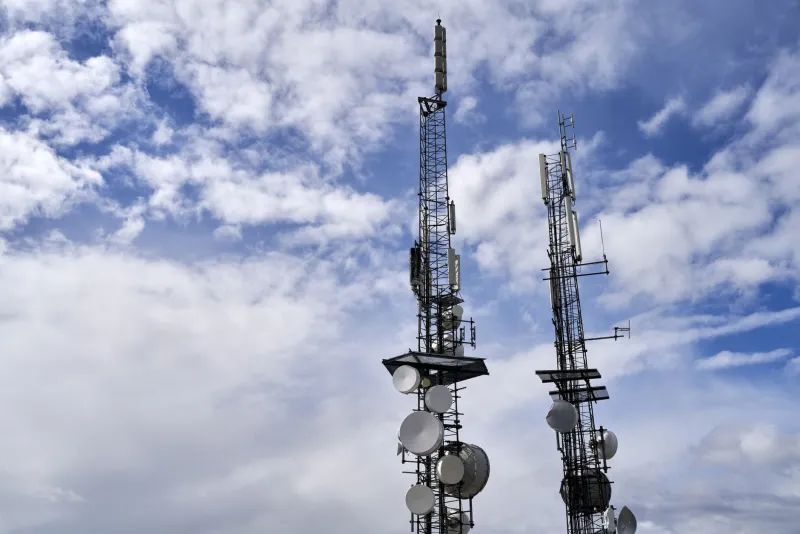
Walk down Harlesden High Street and look up. Among the satellite dishes and phone masts, there are old aerials that look like they have been there since the last century. Some of them probably have. For a certain generation of West Londoners, those rooftops are not just architecture. They are a reminder of when the airwaves were a free-for-all — and when a transmitter hidden in a tower block could make a neighbourhood feel like it was broadcasting to itself.
The pirate radio era of the 1980s and 1990s is often told as a London-wide story: offshore stations, warehouse parties, and young DJs learning their craft on second-hand equipment. But in Harlesden, Shepherd's Bush and Southall, the story was intensely local. Unlicensed stations played the music the mainstream ignored, read out local notices, and built audiences through word of mouth, cassette tapes and the kind of community trust that no marketing budget can buy. The signals were illegal. The relationships were real.
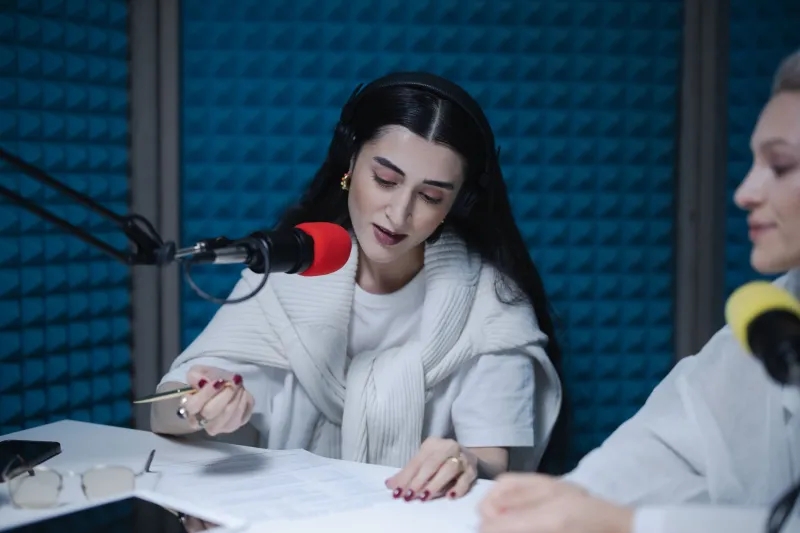
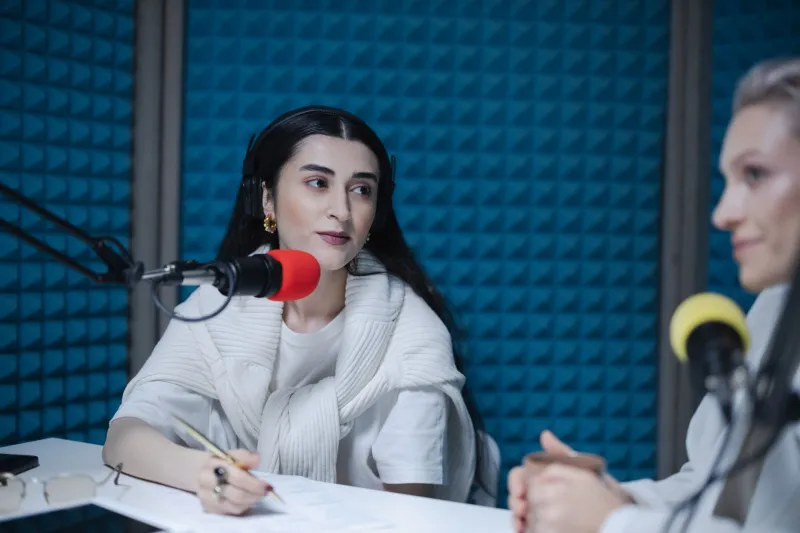
In 2026, those relationships are still shaping West London's legal community stations. Many of the volunteers, engineers and presenters who keep the airwaves alive learned their trade in the pirate era, or grew up listening to it. They bring a DIY spirit, a close read on local accountability, and a willingness to take risks that can feel refreshingly un-corporate.
'We didn't have a licence, but we had a street'
Cory James, 58, broadcast on an unlicensed station from a tower block in Harlesden in the late 1980s. Today he presents a soul and reggae show on a community station in Brent. 'We didn't have a licence, but we had a street,' he says. 'The station was not a business. It was a bunch of people who wanted to hear themselves and their neighbours on the radio. If someone's mum needed a mention, she got a mention. That is still how I do my show.'
That instinct — radio as a service to a specific patch, not a generic audience — is one of the clearest legacies of the pirate years. Legal community stations in West London often run on tiny budgets and volunteer time. They cannot compete with commercial playlists or national news cycles. What they can do is know the difference between a road closure that matters and one that does not, or between a local event worth mentioning and a press release.
The engineering gene
Mickey, 63, from Shepherd's Bush, used to fix transmitters for unlicensed stations. He now volunteers as a studio engineer and helps train new recruits at a community station in Hammersmith. 'The pirate model was: if you can fix a transmitter, you can make a show,' he says. 'We still teach people that. You do not need a fancy studio to start. You need to understand the kit, respect the kit, and know when to switch it off.'
That practical, no-nonsense training culture is visible across West London's community radio scene. Stations run open decks, youth radio sessions and volunteer induction nights. Some of the equipment is old. Some of the rooms are cramped. But the emphasis on learning by doing — rather than waiting for a qualification or a paid gig — owes a lot to the pirate tradition.
Risk, responsibility and the legal turn
It would be easy to romanticise the pirate era. It was also risky: illegal broadcasts could bring fines, equipment seizures and friction with neighbours. The shift to legal community radio, which grew through licensing rounds after the Broadcasting Act 1990 and the Community Radio Order 2004, brought accountability. Stations now have committees, compliance rules and Ofcom licences. That can feel bureaucratic compared with the old days. But it also means volunteers can learn in a safer, more sustainable environment.
DJ Nusrat, 44, grew up in Southall listening to pirate stations and now runs a youth training slot at a community station in the borough. 'The old pirates were exciting because they were not asking permission,' she says. 'But the community stations do something the pirates could not always do: they last. They can train a 16-year-old, then still be there when they are 20. That is the real win.'
What the ghosts are still saying
The ghosts in the air are not literal, of course. They are in the habits: the direct tone, the local references, the willingness to put a listener's voice on air rather than a presenter's monologue. They are in the volunteers who still believe a radio station should sound like the street it serves. And they are in the programmes that take a chance on a new voice because someone once took a chance on them.
In 2026, West London's community stations are not pirate radio in disguise. They are legal, regulated and often precarious. But the best of them carry the old spirit in a new form: DIY, local, human. The aerials may be relics. The frequency is still being used.