The Frequency of Us: How West London's Volunteer Voices Are Rewiring Local Culture
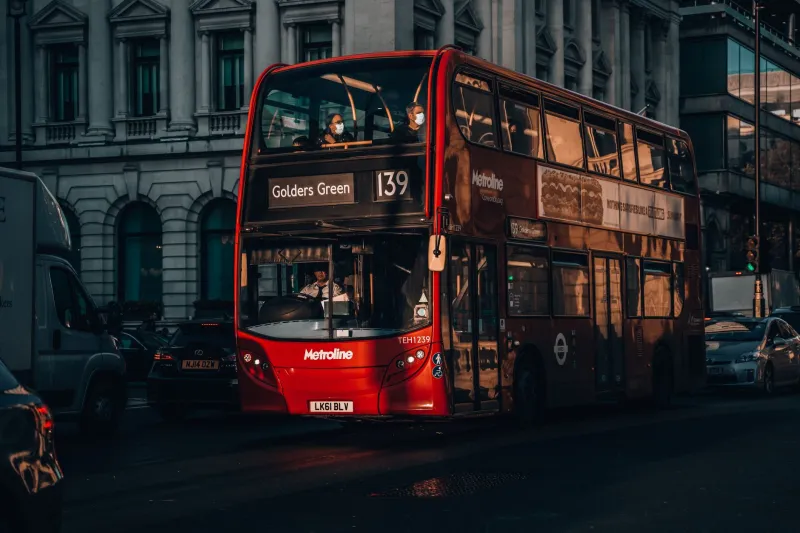
There's a particular sort of November evening in West London. The sky goes the colour of wet slate by half four, the bus windows steam up, and the only thing that reliably cuts through it is a voice coming out of a speaker. More often than you'd think, that voice belongs to a volunteer.
Community radio rarely gets the fanfare. It hasn't the marketing budget of the streaming platforms and it certainly hasn't an algorithm whispering suggestions into your ear. What it does have is proximity — a presenter who lives three streets away, a guest from the local chippy, a phone-in about the state of the Uxbridge Road. Across Ealing, Brent, Hounslow and Hammersmith, that proximity is quietly doing something worth noticing: it's turning local radio back into a shared room rather than a broadcast.
The scruffy studio that still beats the algorithm
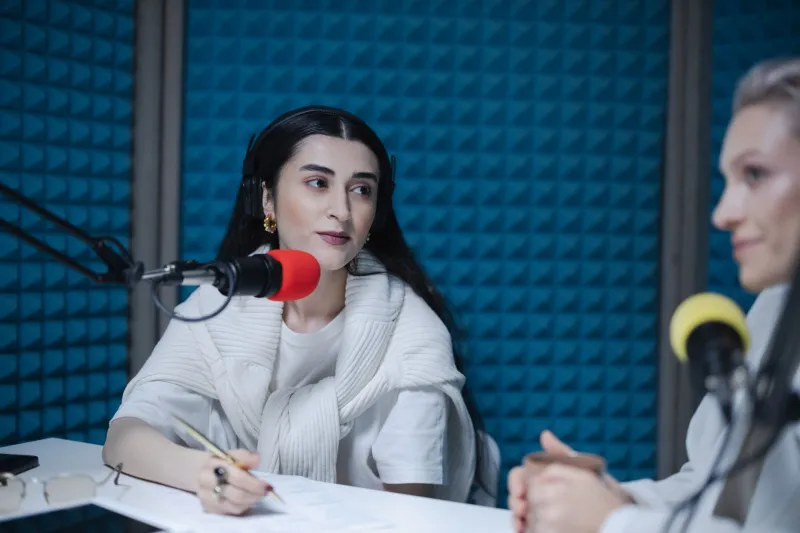
Spend an hour in any community station and you'll recognise the scene. A studio that smells faintly of coffee and old carpet. A rota on the wall with three names crossed out in biro. Somebody's mate's band waiting in the corridor with a guitar case and a nervous expression.
It is the opposite of frictionless, and that's the point. A playlist can't tell you that the road outside is shut, that the market's moved to the church hall for the winter, or that a nineteen-year-old from Acton has just made the best grime-adjacent record you'll hear all month. A person can. Presenters at this level are doing the work of a local paper, a listings magazine and a mate down the pub, all at once, usually for nothing beyond the price of a bus fare.
There's also the matter of who gets heard. National radio is a national conversation; community radio is a street-level one. Faith shows, Somali-language hours, Irish country music, jungle retrospectives, Bollywood golden oldies, knitting circles, football phone-ins for teams four divisions down. The scheduling looks chaotic until you realise it's simply a mirror held up to a borough.
Pirates, licences and a stubborn West London streak
This corner of the city has broadcasting in its bones. In 1981 the Dread Broadcasting Corporation started transmitting from Ladbroke Grove, widely credited as Britain's first Black-owned pirate station, pushing reggae and dub across a city whose mainstream dial had little interest in either. Kiss FM spent the mid-Eighties as a pirate before going legal in 1990 and eventually turning into something considerably glossier than its founders probably imagined.
The lesson from that history isn't nostalgia. It's inheritance. The people running community stations today are often the same people who once climbed onto roofs in the rain with a transmitter and a prayer, or grew up listening to the ones who did. They know how to make a show out of very little, and they know their patch street by street — which is more than most of the industry can claim.
The new wave: podcasts, pop-ups and short-term licences
Alongside the licensed stations there's a younger layer now — producers cutting hyperlocal podcasts in box rooms in Brent, students running short-term restricted service licences from community centres in Hounslow, and small teams popping up at festivals and markets with a couple of mics and a borrowed mixer.
What unites them is a refusal to wait for permission. A show about the closure of a beloved café doesn't need a commissioning editor; it needs two people, a phone and the nerve to knock on the door. Where the older stations offer consistency — the same voice, the same slot, every week — the podcasters offer speed. Between the two, West London ends up better documented than it has been in decades.
Finding it on the dial
Coverage is patchy and aerials are temperamental, so a bit of trial and error is part of the ritual. In and around Hanwell and Ealing, Westside has long been the local fixture on 89.6 FM, run largely by volunteers and rooted in the borough. Over in Southall, Desi Radio has been broadcasting to the Punjabi community for years and remains one of the most distinctive things on the London dial. Brent and Hammersmith listeners tend to do better online than over the air, so a phone or a laptop is often the more reliable receiver — most stations stream live and archive their shows afterwards.
A Saturday morning is a good place to start. Stations tend to put their most local, most chatty output there: market reports, phone-ins, whatever the week's argument happens to be. Give a show three weeks before you decide it's not for you. Community radio rewards habit in a way that shuffle play never will.
Getting on air before the year is out
If you've been half-thinking about it, November is a decent moment to move. Stations are planning their winter schedules and community output for the new year, which means they're looking for people now rather than in January.
Some practical steps:
- Listen properly first. Pick a station, learn its schedule, and be able to say which show yours would sit next to and why.
- Pitch a shape, not a dream. "An hour of soul and reggae with local guests, fortnightly, pre-recorded" gets further than "I'd love my own show."
- Say what you'll bring. Music knowledge, a community contact book, technical confidence, or simply the reliability to turn up at 7am in February.
- Offer to help off-air first. Answering phones, running the desk, editing a podcast or writing the what's-on bulletin is how most people actually get in.
- Know the rules. Community radio licences come from Ofcom, and stations must serve their area and offer training and access — the Community Media Association is a sensible starting point for how that works in practice.
One producer in Hanwell put it plainly enough: the people who last aren't the ones with the best voices, they're the ones who show up. That's less glamorous than it sounds and more true than most career advice.
Why a small signal still counts
Listening figures for community stations will never trouble the big networks, and that's fine. The value isn't in reach; it's in recognition. Hearing your own street named on the radio, or a neighbour's band played between two adverts for a local plumber, does something that a personalised playlist cannot. It says: this place exists, and other people are in it with you.
So this winter, when the dark closes in early and the kettle goes on, try the left-hand end of the dial before you reach for the app. Somewhere in a converted office in Ealing, or a community hall in Brent, someone is talking about your bit of West London. They'd probably love a caller.