The Thirty-Second Landmark: Why West London's Tiny Radio Ads Still Matter

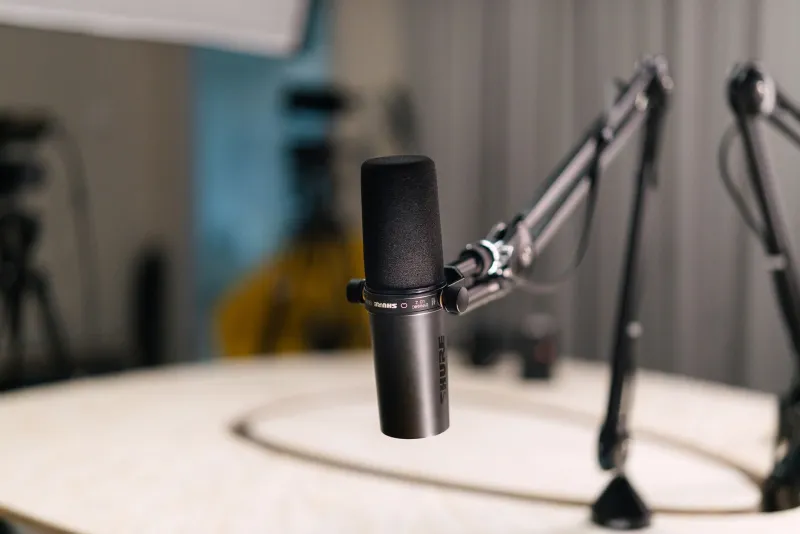
On a damp Tuesday in November, between the travel bulletin and the weather, a plumber from Northolt says his own name twice. Then he says the name of his road. Then he tells me, in a voice that sounds like it has just come in from a job, that he fixes boilers and that he does not charge for call-outs. It lasts about twenty-eight seconds. It is not slick. It is, somehow, the most West London thing on the radio all afternoon.
In 2026, the radio advert is supposed to be a relic. Streaming platforms serve us targeted spots we skip without thinking. Social feeds give us video ads with captions and hooks. Yet across the community stations and small-scale broadcasters that thread through West London, the old-fashioned local spot is still doing a quiet, stubborn job. It is not selling a lifestyle. It is telling you that the key cutter on the Uxbridge Road is open on Sundays, that the bakery in Southall has fresh jalebi at four, that the bike repair shed near Boston Manor will look at your brakes while you wait.
And because it repeats, because it is voiced by someone who sounds like a neighbour rather than a voiceover artist, it becomes a landmark. You hear the jingle for a chippie in Hanwell and you know it is half past five. You hear the dry cleaner in Ealing Broadway and you remember the shirt you have been meaning to collect since September.
The ad that tells you where you are
Community radio has always been good at this. A local station does not have the budget for a national campaign, and a local shop does not have the budget for a production house. What they have is proximity. The result is a form of advertising that is less about persuasion and more about recognition. The spot does not need to be memorable in the way a supermarket Christmas ad is memorable. It needs to be familiar in the way a bus route is familiar.
A volunteer producer at one West London station tells me that the best local ads are the ones that sound like the person who made them. She has recorded spots in stairwells, in stockrooms, in the back of a van. She has coached a café owner through three takes of the word 'brunch'. She has gently persuaded a repair shop not to list every single thing it fixes because, by the time the list is finished, the listener has forgotten the name of the shop.
'You are not making a cinema ad,' she says. 'You are making a signpost. If someone is stuck in traffic on the A40, you want them to remember the name and the road. That is it.'
A back-room craft, not a big-budget campaign
The businesses that commission these spots are not chasing growth at scale. They are chasing the person two streets away. A florist in Shepherd's Bush wants the office worker who walks past every morning. A cobbler in Acton wants the household that has a bag of shoes by the door. A Punjabi bakery in Southall wants the family that has guests coming on Saturday.
That changes the writing. National ads talk about categories and offers. Local ads talk about opening times, parking, and whether you can pay by card. They mention the side street. They mention the market. They mention the fact that the owner's son now runs the place and that the prices have not gone up.
It also changes the sound. A polished voiceover can feel like a stranger reading a menu. A slightly wobbly read from the owner can feel like a recommendation. Listeners are forgiving of a stumble if the voice is warm. In fact, the stumble is often the point. It tells you that this is a real person with a real shop and a real reason to be on the radio.
Why a wobbly spot can outlast a polished one
There is a practical reason these ads endure. Community stations have long blocks of local sponsorship and advertising, and the same spot may run for months. Repetition turns a thirty-second recording into a kind of local punctuation. The ad becomes part of the rhythm of the day. You may not consciously listen to it, but you notice when it is gone.
There is also a cultural reason. West London is a patchwork of high streets, estates, business parks and stations. A local radio ad is one of the few media forms that can speak to that patchwork without flattening it. A spot for a Nigerian restaurant in Harlesden and a spot for a garden centre in Hillingdon can sit in the same ad break without either feeling out of place. They are both saying the same thing: we are here, and we are open.
In an era of streaming ads, that is oddly radical. The algorithm knows what you clicked on. The local jingle knows what street you live on.
Listening guide: five local spots to prick up your ears for
Tune into the community stations across the patch this month and you will hear variations on a theme. These are the kinds of spots worth listening out for.
- The Hanwell chippie spot that opens with the sound of a fryer and ends with the owner laughing at his own joke. The laugh is not scripted. That is why it works.
- The Southall bakery ad that lists three items and then says, almost as an afterthought, that the oven is on from six. It is the afterthought that makes you hungry.
- The Uxbridge Road key cutter who spells out the postcode, slowly, as if he has been asked one too many times where exactly he is.
- The Boston Manor bike shed spot with a background hum of a repair stand and a voice that sounds like it is still holding a spanner.
- The Ealing Broadway dry cleaner who promises collection and delivery in a tone that suggests she will personally remember your name, your coat and the stain on the sleeve.
None of these will win awards. All of them will tell you something about the neighbourhood you are listening in.
A DIY primer for a better thirty-second spot
If you run a shop, café or repair joint and you are thinking about commissioning a spot, the volunteers who make them have some advice.
- Say the name, then say it again. Once at the start, once at the end. Do not assume the listener caught it the first time.
- One phone number, one address. If you give two, the listener will remember neither.
- Write for the ear, not the eye. Read it aloud before you record it. If you stumble, cut the sentence.
- Use the room. A workshop hum, a coffee grinder, a till drawer — these sounds place you. They are free production value.
- Leave a little space. A pause before the phone number is not dead air. It is a signpost.
- Make it repeatable. If you cannot stand hearing it forty times a week, neither can the listener. Keep it short, keep it warm, keep it true.
The earworm as a local landmark
The best local radio ads do not feel like advertising at all. They feel like the sound of a place going about its business. They are the aural equivalent of a shop sign that has been repainted by hand, or a market stall that has been in the same spot for thirty years. They are small, specific and stubbornly local.
So next time you hear a thirty-second spot for a plumber from Northolt, do not skip it. Listen to the name. Listen to the road. Somewhere in that slightly wobbly recording is a map of West London, drawn by the people who know it best.