Beyond the Turnstiles: The Volunteer Voices Bringing West London's Lower Leagues to Life

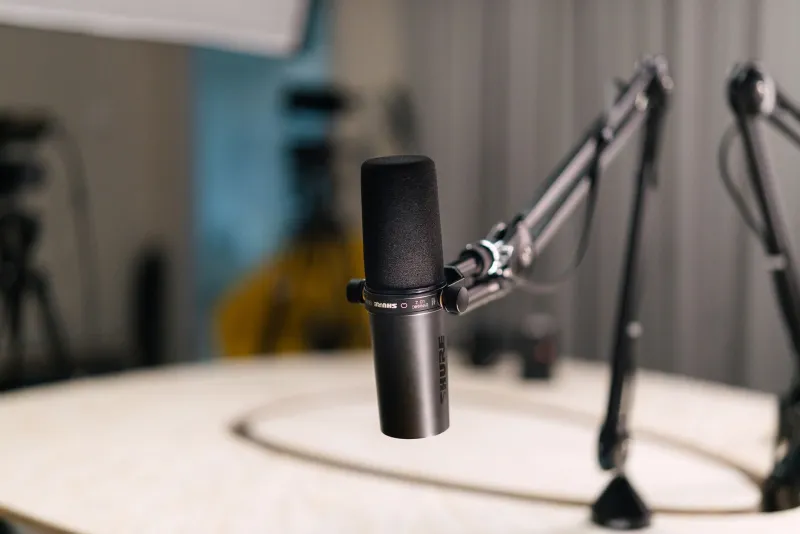
There is a certain sound that follows you out of a non-league ground in West London. It is not the roar of a big crowd or the blare of a PA system. It is a volunteer commentator, coat zipped to the chin, apologising to listeners because the wind has just taken the microphone cable with it.
Across the patch, community radio stations and podcast-minded clubs are building something the national broadcasters rarely touch: full matchday coverage of football below the EFL and across the women's game. The voices are not paid. The equipment is often borrowed. The result is some of the most local, most useful sports broadcasting in the city.
The mic by the tea urn
At one community station covering the boroughs around Ealing and Hounslow, the Saturday routine begins long before kick-off. A volunteer commentator — let's call him Danny, because he prefers not to make it about himself — arrives with a rucksack containing a mixer, two headsets, a roll of gaffer tape and a flask. He sets up in the clubhouse, sometimes on a scaffolded gantry, sometimes on a plastic chair behind the goal. The first job is not the microphone. It is the team sheet.
'You learn to read a manager's face,' he says. 'If he's got three names missing and a youth-team keeper, you don't ask him a clever tactical question. You ask him who's playing and let him talk.'
That is the unglamorous craft of it. Volunteer commentators are part journalist, part club secretary, part calm voice in a small room. They know the pitch inspection news before it is tweeted. They know which defender has been carrying a knock. They know that the tea bar runs out of bacon rolls by 2.15pm. And they know that, for a listener stuck at home or on a bus, a clear 90 minutes is a public service.
Stations build those broadcasts through relationships, not contracts. A programme manager will ring a club in pre-season, offer to cover a handful of home games, and ask for little more than a table, a power socket and a decent phone signal. Clubs, in turn, get a matchday presence that reaches beyond the usual hundred or so regulars. The arrangement is loose, friendly and easily broken by a fixture clash. When it works, it sounds like the most natural thing in the world.
The women's game gets a full 90
The biggest change in recent seasons has been in women's football. A few years ago, coverage often meant a scoreline and a photo. Now volunteers are calling full matches for clubs across West London, with pre-match build-up, half-time analysis and post-match interviews.
Priya, who started commentating on women's fixtures after doing a hospital-radio show, says the job is about resisting the shortcut. 'You can't just learn the names of the big players and wing it,' she says. 'You have to know the left-back who has come back from injury, the midfielder who is playing out of position, the sub who has been waiting all season. Women's football has been under-described for years. The least we can do is describe it properly.'
That means preparing harder than the audience will ever know: reading match reports from three divisions down, checking club socials, ringing a coach for a two-minute team-news call. It also means resisting the urge to make every game a bigger story than it is. A 0-0 in the cold is still a story if you know what you are watching.
How the broadcast actually reaches you
Matchday commentary on community radio is less tidy than a Premier League feed. You might find it on an FM frequency that fades three streets away, on a station website, on a club's YouTube channel, or in a podcast feed uploaded a few hours after full-time. Some stations run a Saturday sport show; others drop in and out of music programming. The common thread is that the information lives in human hands, not a central listings page.
The listener's rule is simple: check early and check twice. Community stations usually publish weekend schedules on Thursday or Friday. Club social accounts tend to post a listen link on the morning of the game. If you are tuning in on FM, do it before kick-off and save the online link as backup. And if a broadcast drops out for five minutes, don't assume the station has abandoned you; the commentator is probably holding a phone in the air while a steward finds a socket.
Phone-ins are part of the ritual, too. Some stations take calls after the final whistle; others collect WhatsApp voice notes and play them on the walk home. The tone is usually kinder than national radio. A caller can be frustrated, but the presenter knows the defender's mum might be listening.
Why the frequency matters
The obvious answer is that these broadcasts give non-league and women's football the coverage they deserve. The less obvious answer is that they do something for the place around the ground. They turn a result into a shared event. They give older supporters who cannot travel a seat at the match. They let a teenager on a bus in Southall hear the same game as a season-ticket holder behind the goal.
So next Saturday, if you are scrolling for something to listen to, look past the big names. Find the community station, follow the club link, and give a volunteer 90 minutes. The wind might take the microphone. The tea might go cold. But the football will be yours.