The Shared Pot: Recipes, Memory and the Callers Who Keep West London Cooking
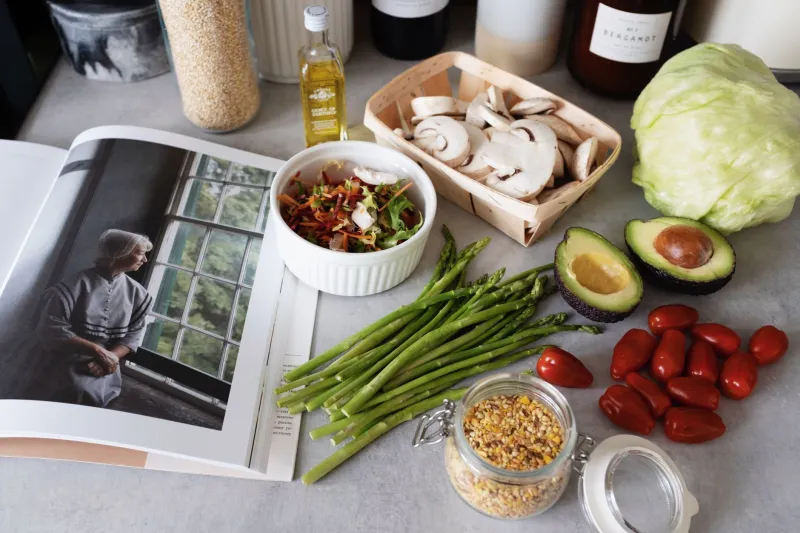
On a Thursday lunchtime in Southall, the radio in a family kitchen is doing two jobs at once. It is playing an old Bollywood song, sure, but it is also midway through a caller's explanation of how her mother tarks the dhal. The presenter is not rushing her. There is no countdown clock, no advert break snapping at her heels. Just a voice, a recipe and a few thousand people listening while they chop onions or wait for the kettle.
That is the quiet appeal of the community radio kitchen show. Across West London, in studios from Hanwell to Hounslow, food segments and cooking call-ins have become more than schedule filler. They are a place where family recipes get aired like favourite records, where a listener can ring in with a shortcut for a Shepherd's Bush stew and end up telling the story of the aunt who first made it. In 2026, when so much of our listening is curated by an algorithm, there is something stubbornly human about a recipe swap that arrives by phone.
More Than a Filler Between Records
Community radio has always been good at the bits between the music. The noticeboard, the dedications, the local history slot. Food fits naturally into that rhythm because it is never only about food. A segment on how to make a quick chana masala can turn into a conversation about Ealing Road market, the price of chillies and the neighbour who always buys too much ginger.
Presenters know this. They do not need a slick format or a celebrity chef. What works is a host who is genuinely curious, a caller who is willing to share, and enough time to let the story breathe. On a station that serves a few miles rather than a whole nation, that is a luxury worth using.
The Caller Who Knows the Shortcut
There is a particular kind of radio caller who becomes a regular without ever being booked. They ring in during the food slot with a tip: add a spoon of yoghurt at the end, soak the rice for longer, do not bother with the expensive saffron. In Shepherd's Bush, one such caller has become known for her family recipe for a slow-cooked lamb stew that she insists is best made the day before. She has never written it down for the station, but listeners have copied it out in texts and WhatsApp groups.
That is how a recipe travels now. Not always through a cookbook, but through a phone-in, a repeat, a friend's scribbled note. The presenter might read out a message from a listener in Acton who tried the dish and added a squeeze of lemon. Someone in Brentford will ring the next week to say they used the same method for chicken. The recipe changes shape as it goes, which is exactly what happens in real kitchens.
Spice Routes, Market Trips and Hand-Me-Downs
Southall's food stories often begin with a journey. A caller will mention a masala mix that came from Punjab, or a way of making pickles that has been passed down through three generations. The radio segment does not need to turn into a lecture on migration to make that point. It is there in the detail: the specific brand of ghee, the pan that is only used for one dish, the instruction to taste as you go because measurements are a rough guide.
The same is true in Shepherd's Bush, where family recipes might come from the Caribbean, Somalia, Poland or Ireland, sometimes all on the same street. A cooking call-in can hold those different kitchens together without forcing them into a theme. One week it is a discussion about dumplings; the next it is a debate about the best way to season rice. The station does not need to announce that it is celebrating local culture. It just needs to let people talk.
When a Recipe Becomes Oral History
What makes these segments more than a nice listen is the way they archive ordinary life. A recipe for a birthday cake, read out by a caller who remembers her mother making it in a tiny Acton kitchen, is a small piece of social history. It tells you what people could afford, what shops were nearby, which ingredients were considered a treat. It tells you who did the cooking and who was allowed to lick the spoon.
Community radio is one of the few places left where that kind of memory can be recorded without being polished into a documentary. The presenter might not realise they are making an archive. They are just filling a midday slot. But the caller's voice, the pause while they remember the right word, the sudden laugh about a burnt pan, all of it stays with listeners. In a city that changes quickly, that matters.
The Reason to Stay Tuned
Food segments also do something practical for stations: they give listeners a reason to stay tuned beyond the music. You might turn on for a favourite song, but you stay because someone is describing a way to make a quick daal that sounds achievable on a weeknight. You text in because you disagree about whether the onions should go in first. You ring back the following week because you tried the recipe and it worked.
That is community radio at its best. Not a broadcast from above, but a conversation that sounds like it could be happening over a garden fence. The kitchen show is a simple idea, but it is doing a lot of work. It is feeding people, literally and otherwise. And in West London, where every street has a different story and a different smell coming from the kitchen, there is always another recipe waiting to be shared.