School Gates to Studio Doors: West London's Mid-Morning Radio Handover

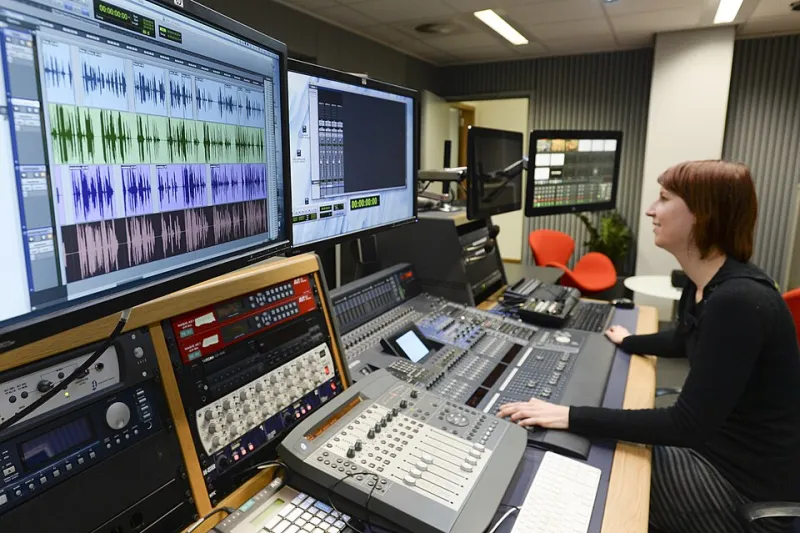
Photo: parent volunteer presenter at community radio station microphone with coffee and school run bag, West London, via hr.umich.edu
There is a particular West London sound that arrives around 9.15am. It is not the brash clatter of a breakfast show, nor the soothing hum of mid-afternoon background radio. It is the sound of a presenter who has just dropped two children at the school gate, parked badly, jogged the last bit, and is now leaning into a studio mic saying, slightly breathlessly, “Morning — sorry, I've got the wrong bag.”
That handover from playground to studio is one of community radio's quiet rituals. As of November 2026, the mid-morning band across West London's community stations is being shaped by parent-volunteers, carers and flexible workers who build their programmes around the rhythms of local domestic life. The schedules are not always glossy. They are, however, remarkably in tune with the area they serve.
The handover hour
Take Anita, a parent-volunteer in Southall who presents a weekly mid-morning slot and asked for her surname to stay out of it. Her show starts at 9.30am, which gives her twenty minutes after the school drop-off to get to the studio, make a cup of tea and remember that she has left the printed running order on the kitchen table.
“The first link is always a bit chaotic,” she says. “But that's the point. People listening are doing the same thing. They've just got home, they're putting the kettle on, they're checking emails or opening the shop. They don't need a DJ shouting at them. They need someone to say, ‘Right, what's happening today?’”
That is the mid-morning contract: less performance, more company. The 9-11am stretch sits after the school-run rush and before lunchtime routines. It catches parents back from the gates, carers making a second coffee, shift workers winding down, retired neighbours, and high street traders setting out their stalls. It is not prime time in the ratings sense. It is prime time in the local sense.
Why the timetable matters
Community radio has always mirrored the rhythms of its patch. Breakfast shows chase commuters. Drive-time shows catch the way home. The mid-morning slot is different: it belongs to people whose working day is less neatly boxed. A childminder in Acton, a market trader in Shepherd's Bush, a home-based freelancer in Brentford — they are all potential listeners, and their mornings do not fit a generic national schedule.
That is why the best 9-11am shows tend to feel like a local noticeboard with a soundtrack. They mention school term dates, PTA fundraisers, roadworks near the school gate, the library's rhyme-time session, a new café opening on the high street. They take calls from listeners who are not trying to win a prize, but want to know whether the Number 207 is running normally or whether anyone has found a blue scooter near the park.
A practical listen-in guide
Schedules shift, so check each station's website or social pages before you set your dial. But if you are tuning around West London's community stations — Hayes FM, Westside Radio, Riverside Radio, Radio Harrow and Resonance FM among them — the 9-11am band often follows a recognisable shape. These are the slot types worth hunting down.
| Time band | What to listen for | Where to look |
|---|---|---|
| 9.15–9.45 | The school-gate round-up: term dates, PTA notices, road closures, lost-property appeals and the odd playground anecdote | Stations serving Ealing, Southall, Harrow and Richmond |
| 9.45–10.15 | The second-coffee conversation: parenting chat, local services, listener calls and gentle advice | Community stations with phone-in or request formats |
| 10.15–10.45 | The high street bulletin: market traders, shop openings, library events and local charity appeals | Stations with strong neighbourhood news links |
| 10.45–11.00 | The noticeboard and dedication slot: community diary, birthdays, shout-outs and song requests | Most volunteer-led mid-morning shows |
The high street is the co-host
One of the pleasures of mid-morning community radio is how often the high street becomes part of the programme. A presenter might interview a butcher about the Christmas queue, a librarian about half-term activities, or a café owner about the price of a bacon roll. These are not hard-hitting interviews. They are the sort of conversations you have over a counter, which is exactly why they work on air.
In a city where so much radio is aimed at the commute or the night shift, the 9-11am band is a reminder that local life happens between the school gates and the shops. It is not glamorous. It is useful. And it sounds like West London.
Listening without the faff
You do not need fancy kit. Most of these stations are available on FM or DAB in their patch, and many stream online or through smart speakers. If you miss a show, check for a listen-again link or a podcast feed. The beauty of volunteer radio is that it is not trying to keep you listening all day. It is trying to be there when you need it.
So next time you are back from the school run with a cuppa and ten minutes to spare, retune the dial. Somewhere between 9 and 11, a parent-volunteer is probably just sitting down at the mic, apologising for the wrong bag, and getting on with the local morning.