First Spin Sunday: The Volunteer Ears Turning West London Demos Into Airwaves
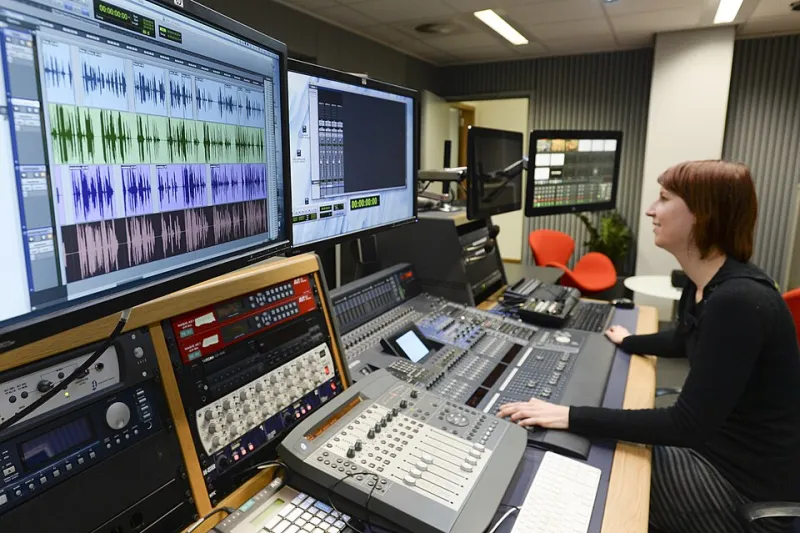
Photo: Europäische Kommission - Audiovisueller Dienst, Etienne Ansotte, CE - Service audiovisuel, EC - Audiovisual Service, Shimera, CC BY 4.0, via Wikimedia Commons
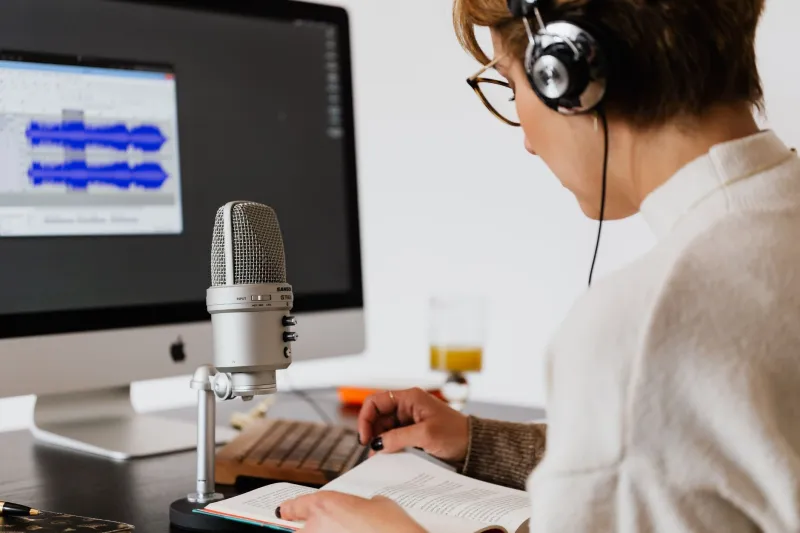
On a damp Sunday afternoon in Ealing, the coffee is going cold and the headphones are doing the heavy lifting. A laptop is open beside a cardboard box of envelopes, a couple of USB sticks and a printed sheet of streaming links. This is the Sunday demo drop: not a grand industry showcase, just a handful of volunteers in a community radio room trying to work out which unsolicited local tracks deserve a place on next week's schedule.
The setup varies from station to station. Some sessions happen in a proper studio, with a monitor speaker and a noticeboard of upcoming shows. Others take place in a side room above a pub, or on a long table in a community centre near the Uxbridge Road. What stays the same is the job: listen, make notes, argue gently about the good bits and send something useful back to the person who made the track.
The postbag is not really a postbag anymore
In 2026, most demos arrive as links. A form on the station website, a private streaming page, a download folder that expires in seven days. But the old rituals have not vanished completely. There are still envelopes with handwritten addresses, CDs wrapped in bubble wrap and the occasional cassette that nobody is entirely sure how to play. One volunteer at a Brentford-based station keeps a shoebox labelled 'maybe' for the ones that need a second listen on better speakers.
The volunteers are not A&R scouts. They are hosts, producers, former guests and listeners who put in a couple of hours because they believe local music should have a route onto local radio that does not depend on knowing somebody. They are the gatekeepers of a half-hour slot, not a record deal, and most of them are acutely aware of the difference.
What the volunteers are actually listening for
The first rule is simple: listen once, all the way through, before making a judgement. No skipping to the chorus. No pressing play and wandering off to make tea. The second rule is almost as important: do not confuse polish with potential. A bedroom recording with a rough vocal can still work on air if the song has something to say and the intro does not eat the first thirty seconds of a three-minute slot.
Hosts talk about the 'three-listen test'. The first listen is for instinct. The second is for practicalities: is the vocal audible? Is there anything that would need a clean edit? Does it sit alongside the station's other music without sounding like it has arrived from a different planet? The third listen is for the argument — the bit where two volunteers disagree and have to explain why a track by a Hanwell singer-songwriter might work on a Sunday morning show but not on a Friday night one.
There is also a strong preference for a sense of place. Not necessarily a West London postcode in the lyrics, but a voice that sounds like it comes from somewhere real. A song about the last bus home, a keyboard riff recorded in a shared house in Acton, a chorus that namechecks the Grand Union Canal without turning into a tourist advert: these are the things that make the Sunday pile feel like a local conversation rather than a generic upload queue.
The unwritten etiquette of sending a demo in 2026
The etiquette is rarely written down, but it is widely understood. Send one track, not an album. Include a streaming link and a downloadable file, because the volunteer might be listening on a phone on the bus and the producer might need the WAV for the studio. Put your name and the area you are from in the message, and say whether the track is explicit. If you post a physical copy, include an email address. If you send a link, make sure it does not expire before the Sunday session.
Do not message every host separately with the same copy-and-paste note. Do not call the studio during the breakfast show to ask whether your demo has been listened to. Do not send a follow-up within forty-eight hours. A fortnight is a reasonable wait; if you have heard nothing after three weeks, a short, polite nudge is fine. And if the answer is no, take it as a scheduling decision rather than a verdict on your worth as a human being. The volunteers are trying to fill a schedule, not run a talent contest.
One more thing: make the first twenty seconds count. Community radio is full of listeners who arrive mid-song and leave before the end. A long atmospheric intro is a lovely thing, but it is a gamble on a station where the next item might be a travel update or a community notice. A clean, confident opening is not selling out; it is showing that you understand the room you are asking to enter.
First songs that found a Sunday slot
The pile produces all sorts. A few recent examples show the range. Aisha Rahman, a Southall singer who recorded 'Night Bus Home' on a phone during a long commute, sent it in with a note saying she was not sure it was finished. A volunteer played it on a Sunday evening show; within a fortnight it had become a regular on a late-night local slot. In Hanwell, a duo who trade under the name Copperline sent a scratchy demo called 'Allotment Radio', complete with the sound of a kettle clicking off in the background. It was too rough for the breakfast show and perfect for a Sunday afternoon.
Then there is Tom Bell, an Acton-based guitarist whose track 'Kettle Boil' arrived as a private link with the subject line 'three chords and a bad chorus'. The chorus was not bad; it was just honest. It got its first airing on a community radio programme about local venues, and the host later invited him in for a short live session. And from Shepherd's Bush, a producer working as Nia Grey sent an instrumental called 'Under the Westway' that had been sitting on a hard drive for two years. It found a home on a late-night audio collage show, which is exactly the kind of slot that community radio does better than anyone else.
Why the Sunday session still matters
There is a temptation to treat demo submissions as a chore: a pile of admin between the presenter and the playlist. The Sunday volunteers tend to see it differently. For them, the demo drop is the part of the station where the schedule stays porous, where a listener can become a contributor and where the phrase 'local radio' means something more than a postcode in the station name.
It is also a reminder that airtime is not the same as approval. A first spin on a community station will not make anyone famous overnight. But it can do something quieter and more useful: it can tell a bedroom musician that their song travelled from a laptop in Ealing, Southall or Brentford all the way to somebody's kitchen radio on a Sunday morning. In 2026, that is still a decent place to start.