Five-Minute Stages, Late-Night Replays: The West London Rooms Feeding Community Radio
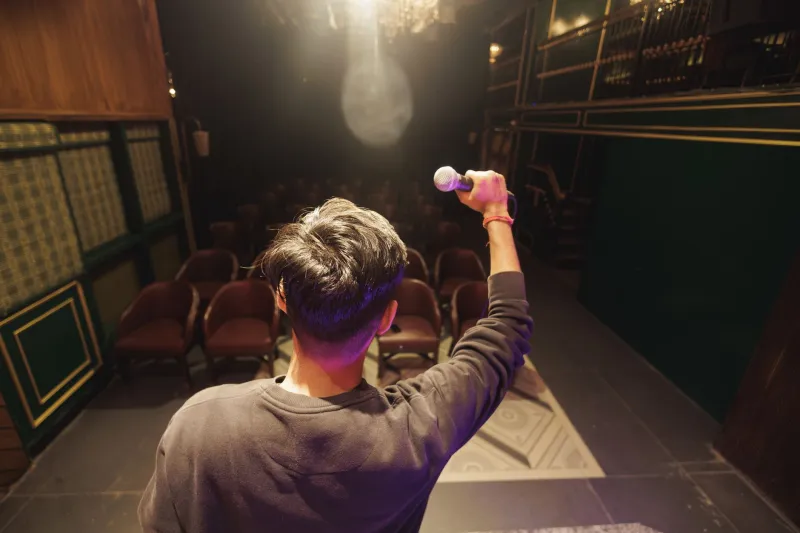
There is a particular sound to a pub back room just before an open mic starts. Chairs scrape. A lead gets taped to the floor. Someone asks whether the mic is on, then says “testing” in a voice they would never use on stage. In West London, that sound is now travelling further than the room it starts in. Volunteer community stations are recording these short sets and replaying them late at night, turning a five-minute turn between a comedian and a covers act into something a listener in Hanwell or Hammersmith can hear on the kitchen radio.
The back room is the studio
The appeal is not polish. It is proximity. A station can spend weeks arranging an interview with a touring musician and still end up with something that sounds like a press release. Send a volunteer with a handheld recorder to a Tuesday night in Acton, though, and you get the clink of glasses, the host’s gently chaotic introductions and a singer trying out a song that is not quite finished. That is radio with a pulse.
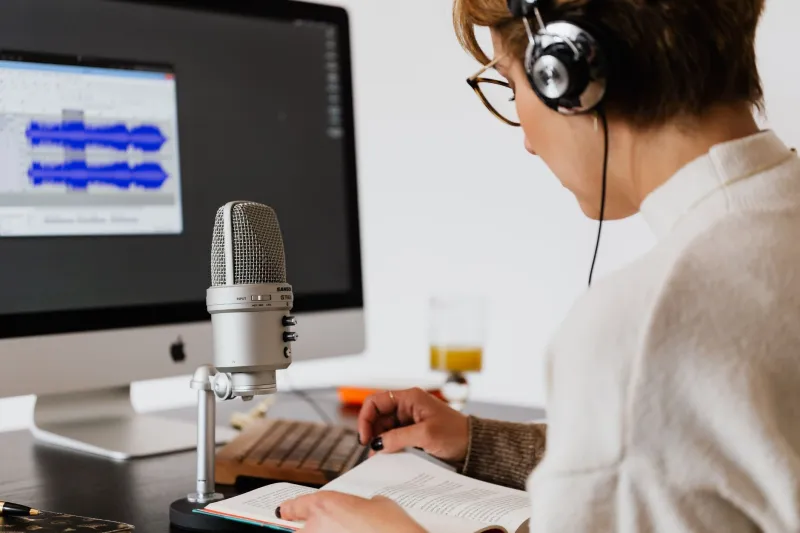
The people making it happen are not usually engineers. They are hosts who already run the night, plus one friend with a decent Zoom recorder and a spare SD card. In Ealing, one organiser told me they started recording sets “because the performers kept asking if there was a video, and we kept saying no”. Audio was easier. It was also kinder. You can close your eyes and listen to a nervous first-timer without watching them grip the mic stand.
What gets kept, what gets left
A good replay is not a straight upload of the whole evening. The best volunteer producers cut around the dead air, keep the heckles that land, and leave out the soundchecks that go on too long. They ask permission before recording, and they do not pretend a pub back room is the Royal Albert Hall. That matters. The rough edges are the point.
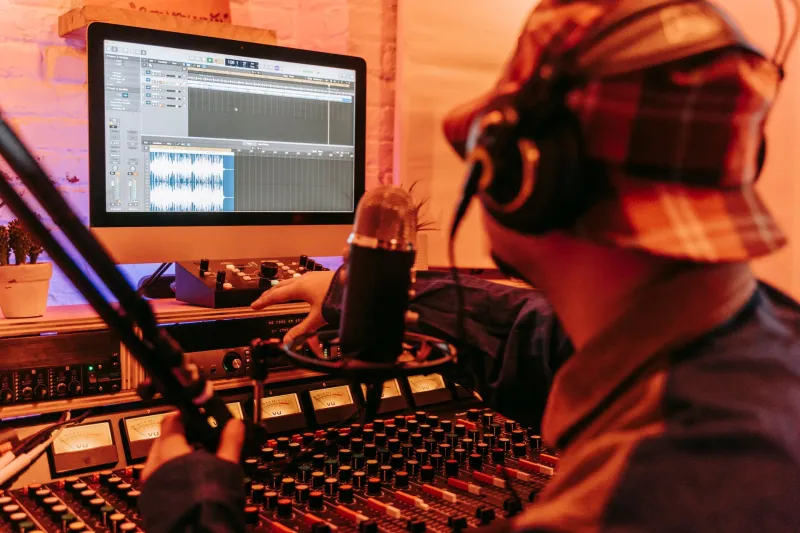
There is a craft to it, though. A five-minute slot can feel like five seconds on stage and five hours in the edit if you let it. The producers I spoke to tend to keep three things: the host’s introduction, one clear song or spoken piece, and the applause that follows. Everything else is optional. The result sits somewhere between a live session and a field recording — closer to a late-night community noticeboard than a glossy podcast.
Three nights to catch in winter 2026
You do not need a formal guide to find these nights, but it helps to know the shapes they take. The midweek session in Acton, usually a Tuesday, leans acoustic and welcomes spoken word between sets; the recordings tend to surface on a volunteer station’s evening schedule a week or so later. A Thursday night in Hanwell is folkier and louder, with a host who introduces every act as if they are old friends. And the Sunday session near Southall is the one to watch if you like hearing a room settle down — quieter, more attentive, with a recorder usually set up near the door.
None of these are ticketed in the usual way. Turn up, buy a drink, put your name down if you want a slot. If you would rather listen from home, keep an eye on the stations’ schedules rather than their social feeds; community radio still runs on printed running orders and last-minute swaps. As of November 2026, the late-evening replay slots are the ones to look for — usually after 10pm, often on weekends, sometimes repeated on a Sunday afternoon.
Why the rough edges travel well
A station identity can be slick, but a community needs texture. Open-mic replays provide that texture without asking performers to become broadcasters. A singer can try a new arrangement in front of thirty people and, a week later, a listener on the other side of the borough hears it. That is not a viral moment. It is something smaller and more useful: a local audience finding a local voice by accident.
The hosts deserve credit for this. They are the ones who remember names, keep the running order moving and persuade a nervous performer that a recording is not a big deal. The sound recorders deserve credit too, mostly for standing near a radiator for three hours and not complaining. Together they are building a modest archive of West London’s back rooms — not the polished version, but the one with the chair scrape and the half-laugh before the first line.
How to listen without making it a project
You do not have to follow every station or keep a spreadsheet of open-mic nights. Pick one. Listen to a replay while you wash up. If a performer catches your ear, go and see them in the room next time. That is the whole loop: stage, recorder, airwave, back to the stage. It works because it stays small.
And if you are the one with the recorder, remember the old community radio rule: ask first, label the SD card, and do not tidy up the applause. The rough edges are what make it worth hearing.