Two in the Morning, Six Miles of City: A Night on West London's Overnight Airwaves
Photo: Phillip Perry, CC BY-SA 2.0, via Wikimedia Commons
The last westbound train out of Hammersmith has gone by the time Marcus unlocks the studio door, and the corridor still smells of the radiator that has been on since Tuesday. He carries a blue holdall, a flask, and a printed running order that will be about forty per cent wrong by one o'clock.
The keys, the flask, the running order
The station lives above a shopfront on the Uxbridge Road, and at this hour the street outside is doing the things streets do when nobody is watching: a van idling with its hazards on, a fox making a decision, two people saying goodbye for the fourth time. Marcus has presented the overnight show for six years. By day he dispatches deliveries out of Park Royal. By night he talks to a city that is technically still awake but has stopped performing.
"Daytime radio is a host talking to a room," he says, sliding the fader up on the ident. "This is more like leaving a light on in the hall. You don't know who's coming down the stairs, but they can see where the stairs are."
His first link is barely ninety seconds. He reads a text from a cab driver on the rank at Hayes, plays something slow, then says nothing at all for a while. That is not a mistake. It is the whole craft.
Who is actually out there
Ask an overnight host who listens and you get a census you will never see in a daytime phone-in. There is the night porter at a hospital in Southall who keeps the radio on a shelf behind reception and turns it down whenever a family comes through the doors. There is a cleaner working the last floor of an office block near Ealing Broadway, who texts in requests under a nickname everyone at the station knows. There are bakery staff who start at three and want something with a bit of bounce. There is a woman in Chiswick who works New York hours from her kitchen table and says the show is the only reason she knows what the weather is doing here rather than there.
And then there are the people who simply cannot sleep — a category that includes, on the evidence of one night's messages, a retired bus mechanic, a student revising for a resit, and someone who writes in at 3.40am every week with a single line about the moon.
Marcus reads them all out. Not as a segment. As housekeeping.
The travel bulletin stops being a travel bulletin
By half past one the roads have emptied enough that the usual report becomes something else entirely. Instead of delays, it is closures: the North End Road resurfacing that will not finish before Friday, the bus lane being repainted near Shepherd's Bush, the bit of the A40 where the cones have been rearranged by wind and no one has noticed yet.
"At seven in the morning that's information," Marcus says. "At two, it's gossip. People like gossip about their own borough."
He takes a call at 1.52am from a night nurse on a break, who talks for four minutes about a vending machine and a colleague's leaving do. It is, objectively, not news. It is also the most relaxed anyone will sound on the air all week.
Where the silence goes
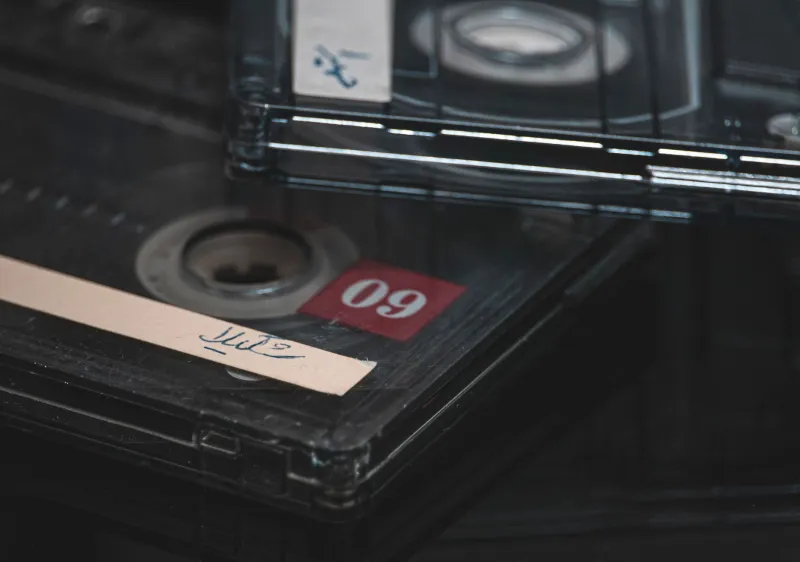
Somewhere around three, the show changes shape. The adverts have thinned out. The music gets longer. Marcus runs an archive interview from the station's own shelves — a conversation with a Hanwell market trader recorded in the summer — and introduces it with a story about how the tape nearly got wiped.
This is the part of the schedule that daytime programmers would find uncomfortable. Not because anything goes wrong, but because nothing is being maximised. There are two whole minutes where the only sound is a track from 1978 and the faint hum of the building. It is, if you are awake and slightly lonely at 3.15 in the morning, close to perfect.
"You can hear a city's real temperature at this hour," he says. "Nobody's selling you anything. Nobody's pretending it's a party. It's just the same six miles of streets, with fewer people lying about how they feel."
First light, and the handover
The sky over the rooftops starts doing its thing at about ten past six, and the show changes gear without anyone announcing it. Suddenly there are school run texts. Suddenly the travel bulletin has traffic in it again. By 6.30 the breakfast team are in, one of them still eating toast, and the conversation has already sped up past the point where Marcus can follow it.
He packs the flask, unplugs his headphones, and hands over a running order covered in crossings-out. On the way out he stops in the doorway to listen for a second — the ident, the weather, someone else's voice doing the stairs.
Then he goes home to sleep while the city gets loud again. Somebody else will leave the light on tonight.