Scales, Stories and Studio Time: West London's Market Traders Take to the Air
There is a particular sound to a West London market on a Saturday morning: the clatter of crates, the low hum of a generator, someone bellowing "tenner a bowl, tenner a bowl" with the timing of a session drummer. It is a rhythm built over decades. What is newer is hearing that same voice on a Tuesday evening, headphones on, reading out a request from a listener in Northolt.
Across Portobello Road, Shepherd's Bush and Southall, a loose network of traders has quietly taken up community radio. Not as guests, not as one-off novelty turns, but as regular hosts with slots, jingles and a listener base that knows them by first name. The stall, it turns out, was always a kind of studio.
From the barrow to the booth
Marlene runs a fabric pitch off Portobello Road — the sort of stall where the conversation starts with a colour and ends forty minutes later with a wedding outfit planned. She describes her Saturday job and her Wednesday radio hour as the same job, just quieter.
"On the stall you're reading people all day," she says. "You can see when someone needs a natter and when someone needs to be left alone with a roll of lining. The radio is that, but you can't see them. So you learn to hear it instead."
Her show leans on the same things she sells: texture, colour, other people's stories. Half an hour of soul and vintage reggae, a slot for callers to describe something they've kept for years, and a running joke about a missing pair of pinking shears that has never been resolved.
"If you can shout over a crowd, you can hold a mic"
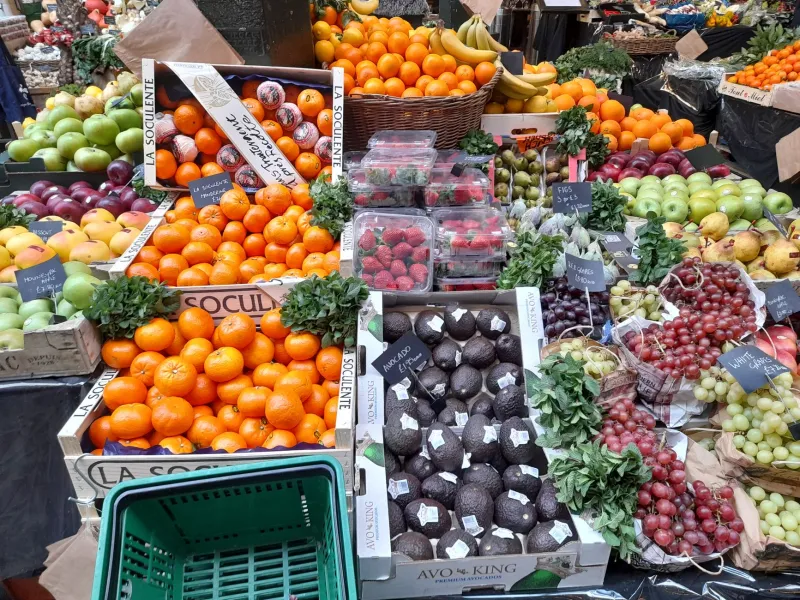
Over in Shepherd's Bush, the fruit and veg traders have a different problem. Their market voice is built for volume, and studio kit is unforgiving. Several have spent their first few months learning to pull back, to let a pause sit, to trust that the listener is still there.
"You spend twenty years projecting to the back of the queue," says one trader who does a Sunday breakfast-style slot of easy soul and local notices. "Then someone hands you a microphone and tells you to be natural. I was terrified. First show I sounded like I was announcing a train delay."
He is better now. His show is mostly music, with a rolling segment on what's cheap and in season — a service piece, genuinely useful, delivered in the same patter he uses on the stall. He also reads out market notices: pitches changing hands, a stallholder's birthday, a stall closed for a family wedding. Small things. They land.
Cooking, calling, and the Southall crossover
Southall brings food into it properly. Street-food cooks who spend the week prepping in tiny kitchens have taken to hour-long shows built around what they are making that day — spice blends, slow-cooked things, the correct way to argue with a samosa.
One cook hosts a Saturday-afternoon slot in which she cooks live on air (off-mic, mostly) while taking calls about family recipes. The music is Punjabi, the tone is hospitable, and the callers are as likely to be from Ealing as from Southall itself. "People ring in to talk about their mum's version," she says. "That's the show. I'm just holding the line."
What ties the three areas together is a shared understanding of what radio is for. It is not promotion. Very few of these shows mention a stall by name more than once, and none of them sound like an advert. They are closer to a noticeboard, or a chat over a counter.
The playlist is the stock list
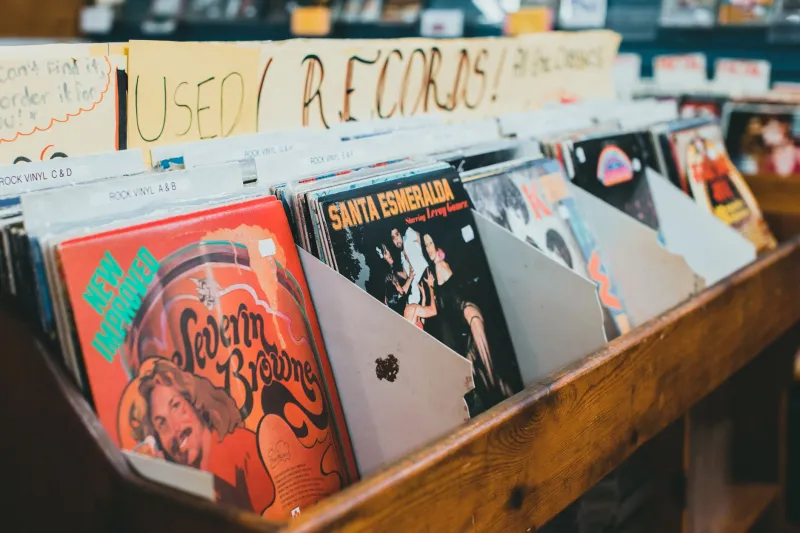
There's a pleasing symmetry in the music choices. Traders who sell second-hand records on Portobello have shows built entirely from whatever came into the crates that week — a format that is either chaos or brilliant, depending on the episode. Fabric traders play long, warm sets of seventies soul. The food traders default to bhangra and vintage Bollywood, with the occasional curveball that gets the phone lines lit up.
One producer at a West London station reckons the traders make better broadcasters than many trained volunteers. "They're used to being interrupted," she says. "They're used to people wandering off mid-sentence. They have absolutely no fear of dead air, because they know someone will fill it. That's half the battle."
Where to catch it this winter
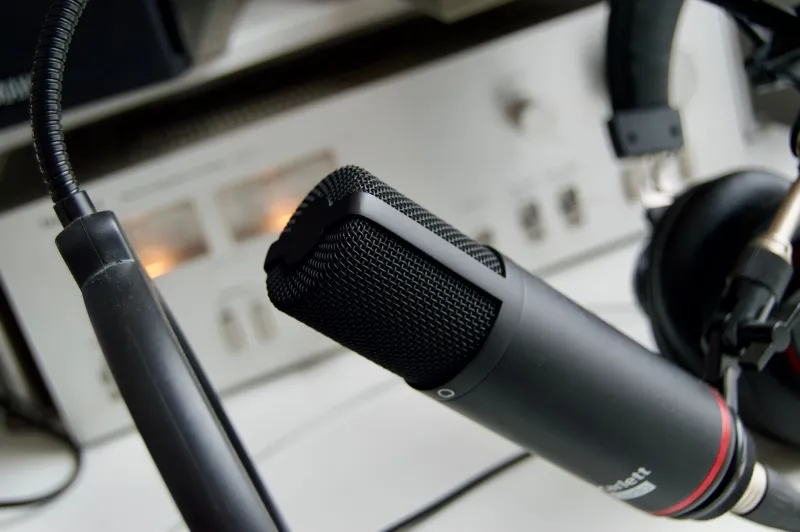
If you want to hear it live rather than through a speaker, the colder months are the best time. Several stations are running pop-up outside broadcasts from pitches through December 2026 and into the new year — a table, two mics, a wind shield and a slightly heroic presenter in a coat.
Look out for Saturday-morning broadcasts from the Shepherd's Bush end of things, where the fruit and veg crowd double as a warm-up act for the day's selling. Portobello tends to go for mid-morning, once the antiques dealers have set up and the light is good. Southall's food traders favour a late-afternoon slot, which conveniently coincides with the point in the day when everyone is hungry and nobody wants to go home.
Details circulate on station noticeboards and, appropriately enough, by word of mouth on the markets themselves. Ask a trader. They'll tell you, and probably offer you a tangerine.
The stall is still the studio
What is striking is how little these broadcasters have changed their material. The jokes are the same. The pace is the same. The instinct for when a stranger needs a minute of chat is the same. All that has changed is the reach — from the width of a pitch to the whole of west London and, on a good night, a few listeners further out.
It is a reminder, if one were needed, that community radio has never really been about the equipment. It is about who is talking, and whether they sound like they live here. These traders very much do.